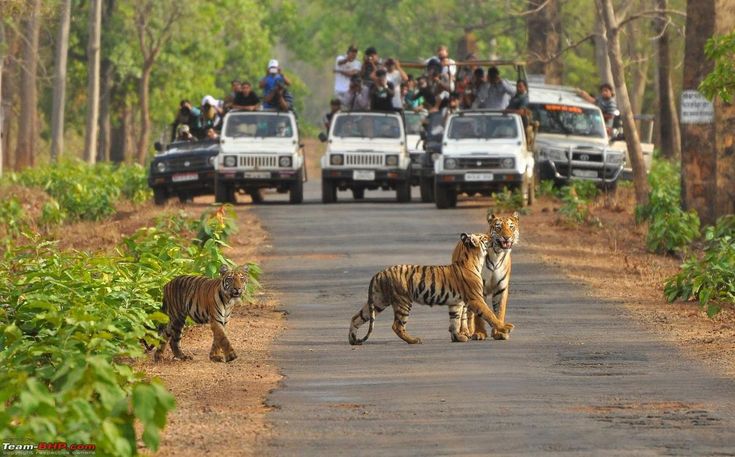
About Kanha National Park
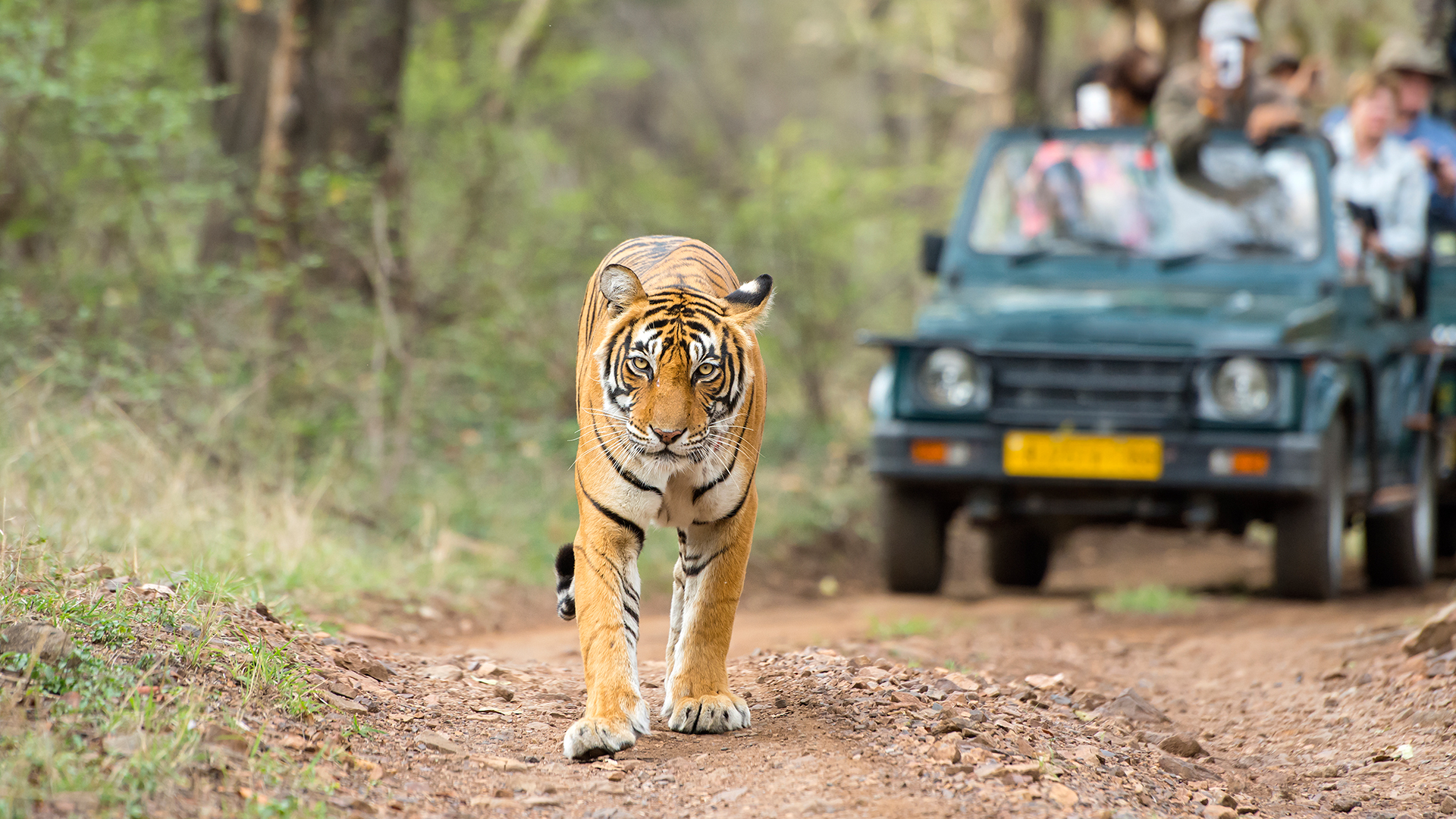
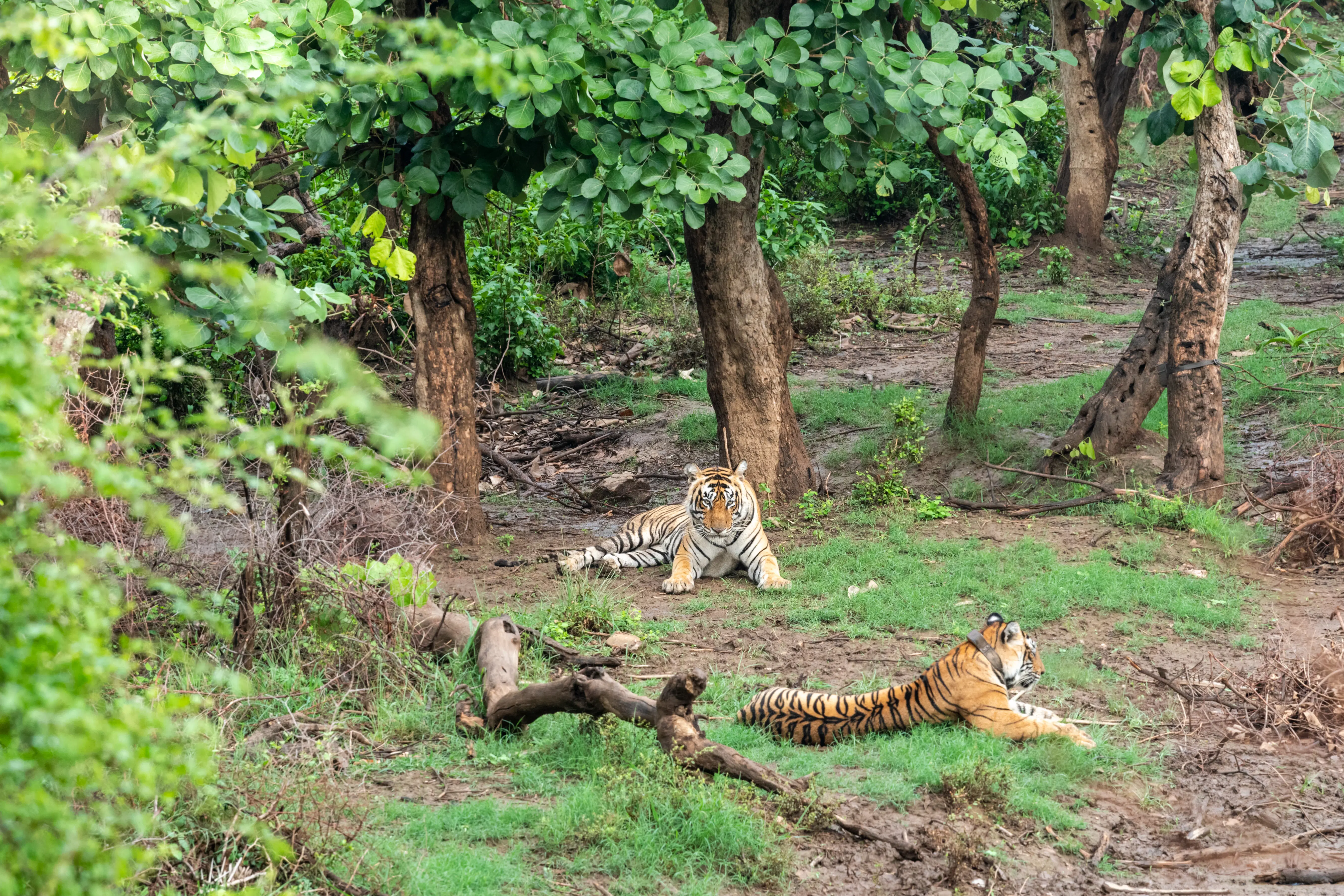
Nestled in the Maikal range of Madhya Pradesh, Kanha National Park is one of India’s most spectacular wildlife sanctuaries and the inspiration behind Rudyard Kipling’s “The Jungle Book.” Spanning over 940 sq. km, Kanha’s dense sal forests, open meadows, and serene streams create a perfect habitat for its most famous resident — the Royal Bengal Tiger.
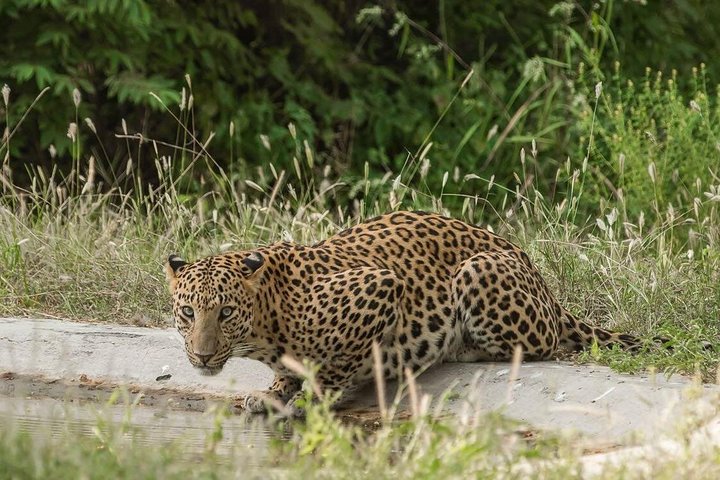
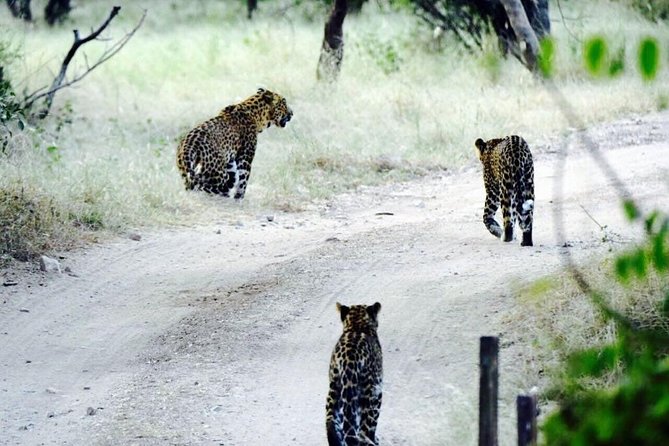
Known for its rich biodiversity, Kanha is also home to leopards, barasingha (swamp deer), sloth bears, wild dogs, and over 300 species of birds. From thrilling jeep safaris to peaceful nature walks, Kanha offers an unforgettable journey into the wild heart of India.
History
Kanha Tiger Reserve, located in Madhya Pradesh, India, has a rich history that spans centuries, blending wildlife heritage with human stewardship. The region was known for its lush forests, rolling grasslands, and diverse wildlife including tigers, leopards, wild dogs, and the rare barasingha.
In the mid-20th century, increasing hunting and deforestation created a threat to wildlife. Recognizing its ecological importance, Kanha National Park was established in 1955 to protect the endangered barasingha and preserve the natural ecosystem.
A major milestone came in 1973 when Kanha became part of Project Tiger. With strong conservation measures, tiger populations revived and the landscape was restored, becoming a model for wildlife protection.
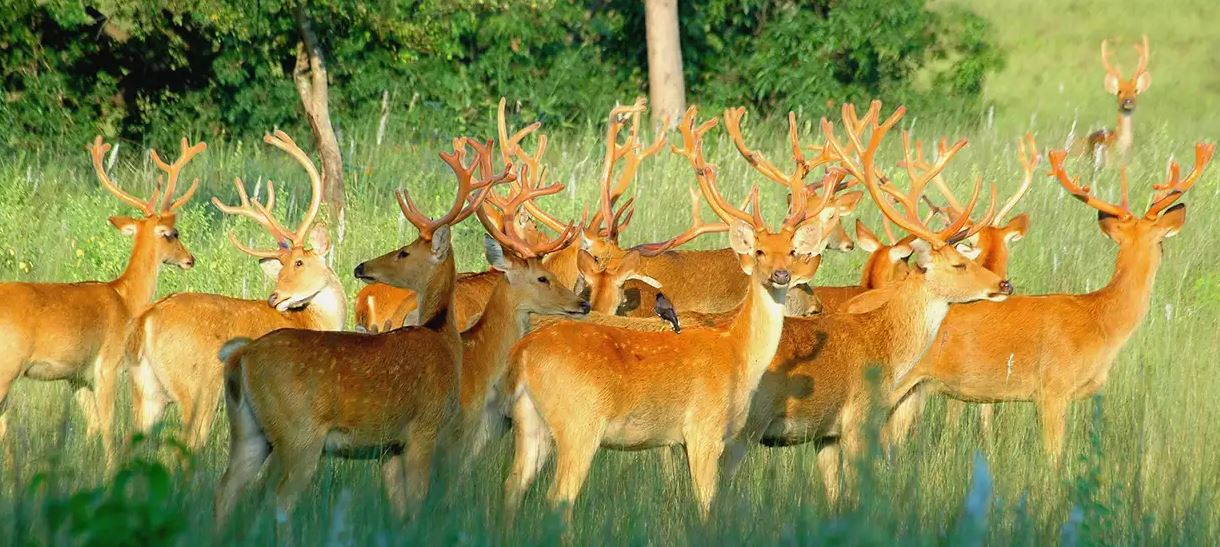
Over time, Kanha has gained global recognition for the successful revival of barasingha and protection of numerous species including leopards, sloth bears, gaurs, sambars, and more than 300 bird species.
Today, Kanha Tiger Reserve represents India's dedication to wildlife preservation. Its legacy continues to inspire conservationists and offers visitors an unforgettable encounter with nature.
Biography
Kanha Tiger Reserve, situated in the heart of Madhya Pradesh, is one of India’s most iconic and well-preserved wildlife sanctuaries. Spread across nearly 940 sq km, it forms a crucial part of the Kanha–Achanakmar landscape, playing a significant role in maintaining central India’s ecological balance. Established in 1955 as Kanha National Park and declared a Tiger Reserve in 1973 under Project Tiger, Kanha is celebrated worldwide for its successful conservation programs—especially for tigers and the rare barasingha (swamp deer).
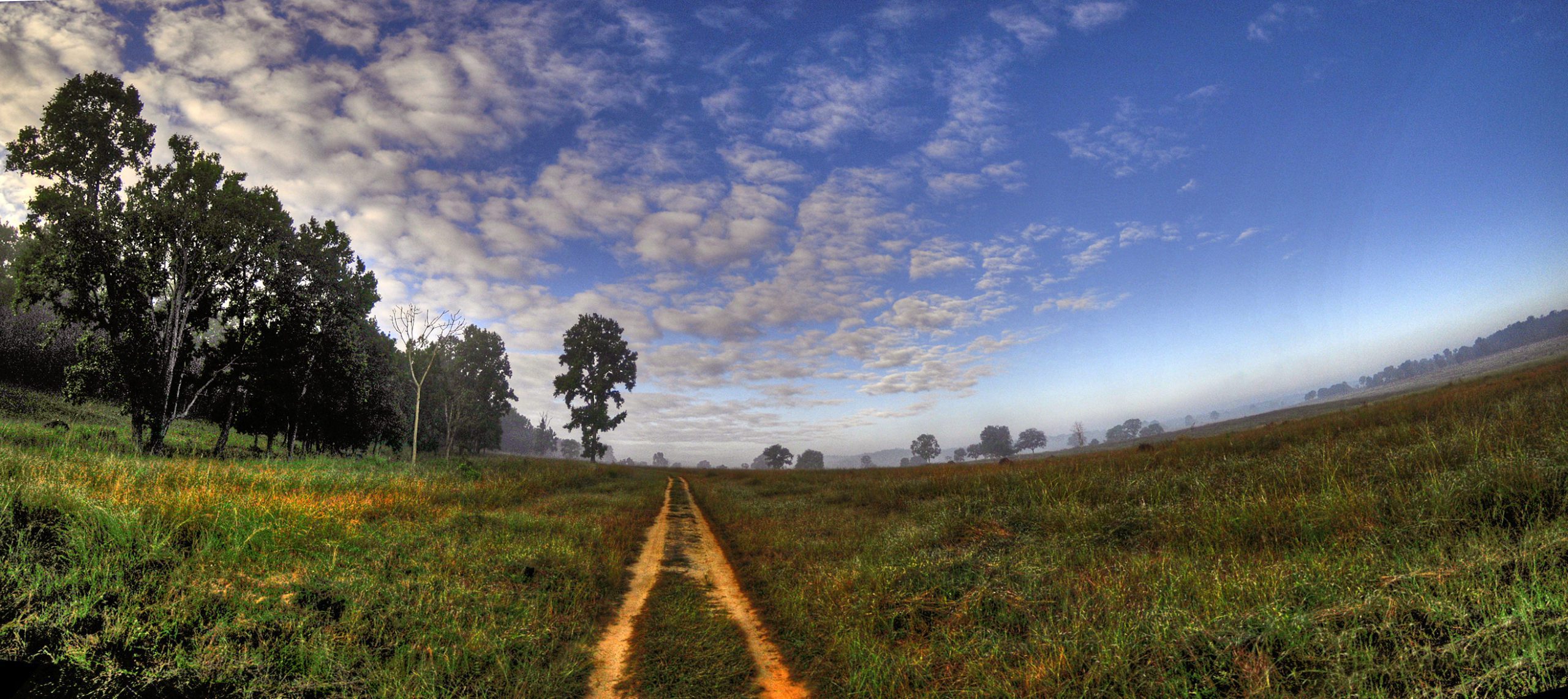
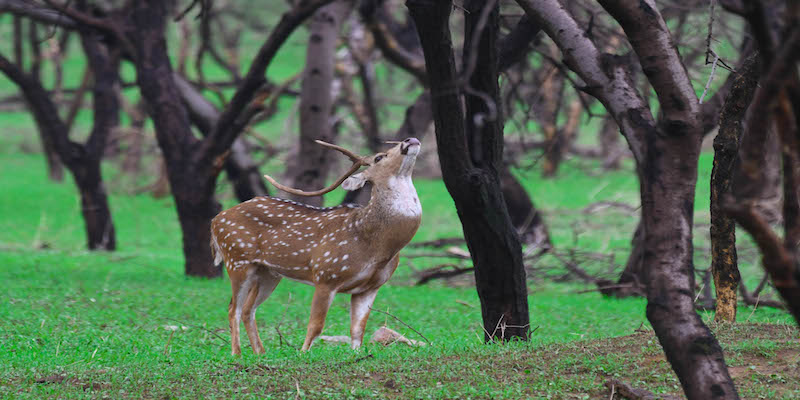
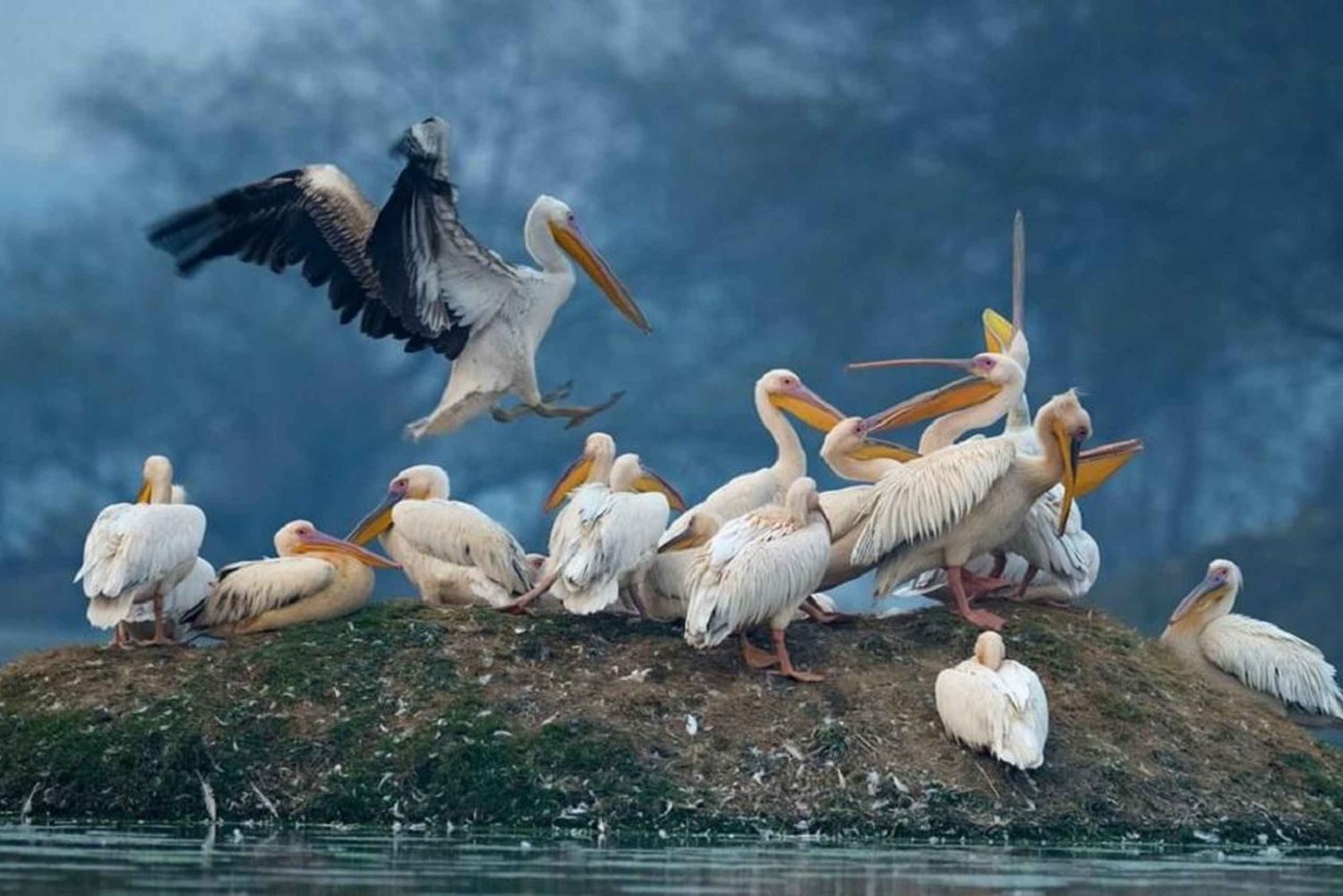
The reserve’s geography is a stunning blend of dense sal and bamboo forests, open meadows, plateaus, and riverine valleys. Its vast grasslands, known locally as “Kech,” provide ideal grazing habitats for barasingha, sambar, chital, and nilgai, while its thick forests offer protection to predators such as tigers, leopards, sloth bears, and Indian wolves. Kanha is also home to over 300 bird species, making it a treasured destination for bird lovers.
Kanha’s conservation journey is truly inspiring. Once severely affected by hunting and habitat degradation, strong protection laws and scientific wildlife management helped revive endangered species. The barasingha, once close to extinction, now thrives here and stands as the proud symbol of Kanha’s success in wildlife preservation.
Visitors explore Kanha through guided jeep safaris, walking trails, and observation points that offer breathtaking glimpses of wildlife. Beyond its ecological importance, Kanha also reflects a rich cultural heritage, as surrounding areas have long been home to tribal communities living in harmony with nature.
In essence, Kanha Tiger Reserve is not merely a protected forest—it is a living example of India’s commitment to conservation, biodiversity, and natural heritage. It offers a rare and unforgettable experience into the wild heart of central India.
Safari Experience
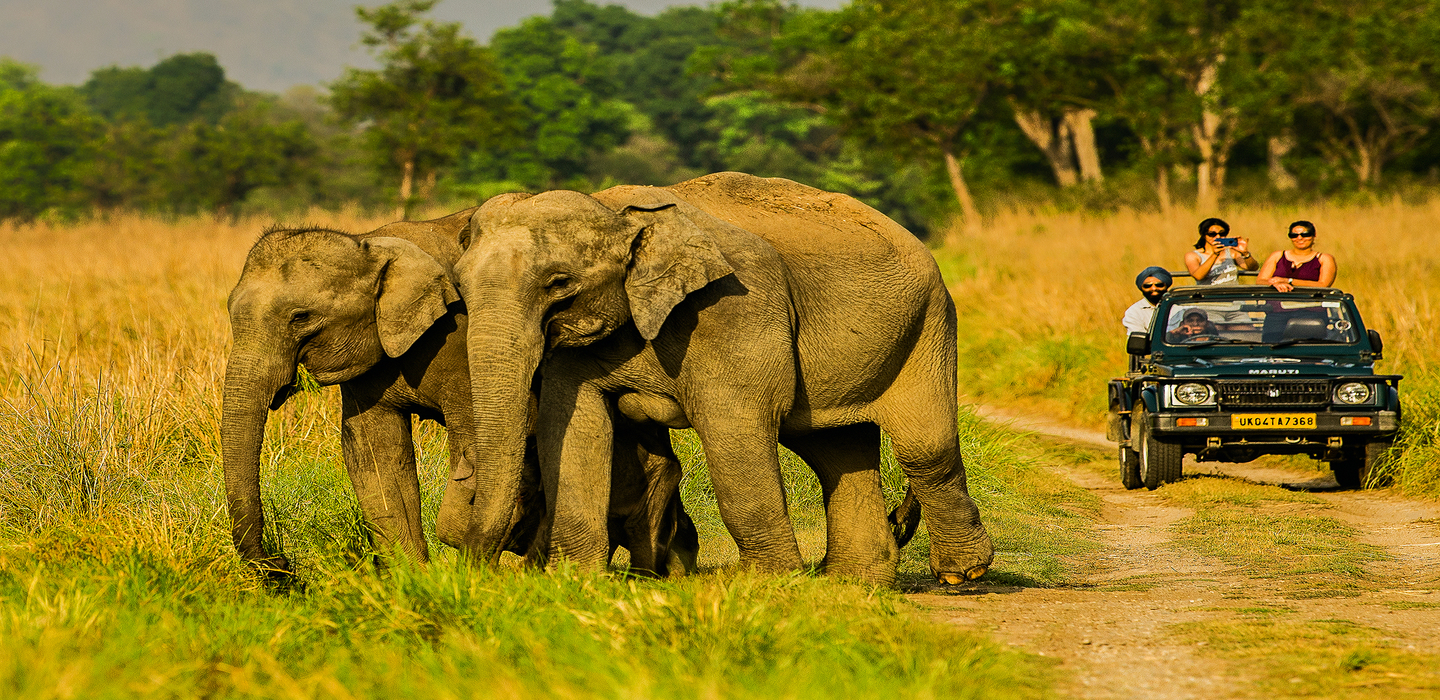
A Jeep Safari in Kanha National Park offers an unforgettable journey through one of India’s most pristine and iconic tiger reserves. The open 4x4 jeeps allow visitors to explore the dense sal and bamboo forests, vast meadows, riverine belts, and plateaus that make up Kanha’s diverse ecosystem. With trained drivers and expert naturalists, visitors gain deep insight into wildlife behavior, tracking, and the park’s rich biodiversity.
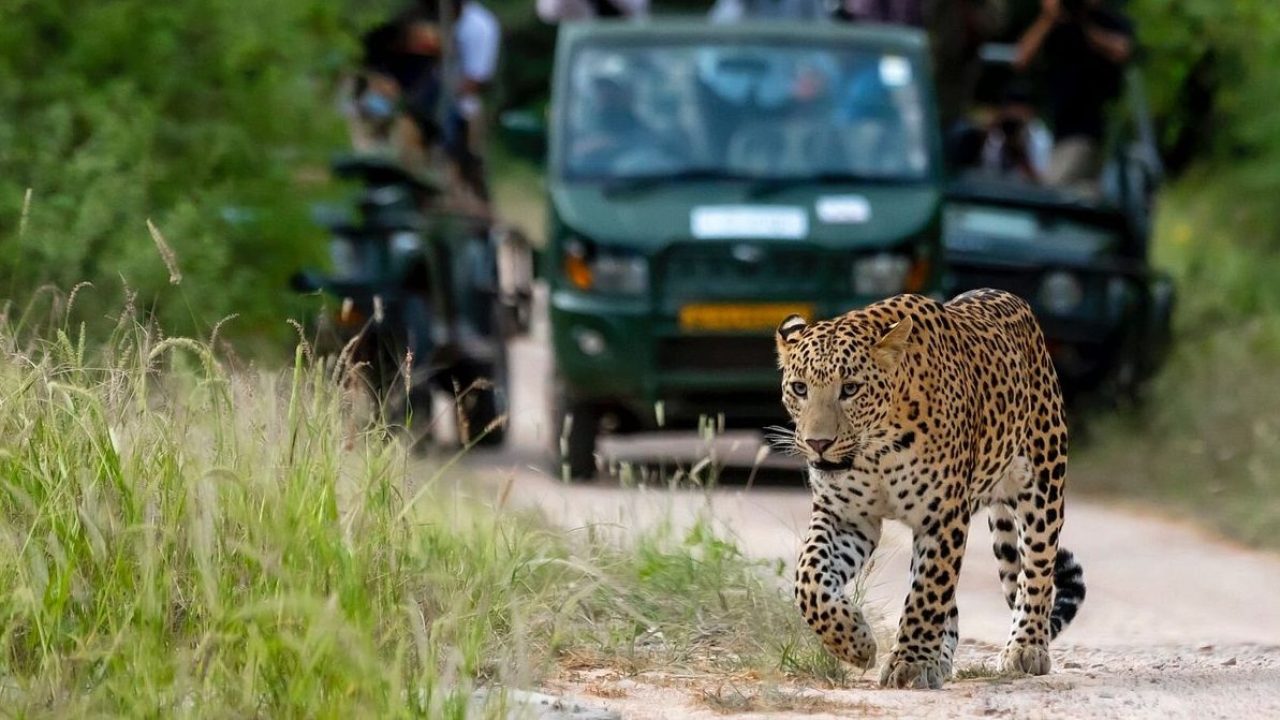
Kanha is home to the majestic Bengal tiger, elusive leopards, sloth bears, and the rare barasingha, along with herbivores like sambar, chital, and nilgai. Birdwatchers can spot more than 300 species of birds, including hornbills, eagles, kingfishers, and seasonal migratory species. A jeep safari gives photographers excellent opportunities to capture wildlife in natural golden-hour lighting.
Most safaris are conducted in the core zones—including Kanha, Mukki, and Kisli—where tiger sightings are most frequent. Morning and evening safaris offer the best chances of observing predators. The jeep’s mobility allows access to remote trails, meadows, and riverbanks that enhance the wildlife experience.
Beyond tiger tracking, a jeep safari immerses visitors in the tranquility of Kanha’s landscapes. Whether watching cubs play, observing a tiger’s graceful walk, or simply enjoying the forest’s serenity, every safari becomes a memorable adventure for wildlife lovers, photographers, and nature enthusiasts alike.
Safari Experience
A Canter Safari in Kanha National Park is a wonderful way to explore the park’s wildlife in a larger group while still enjoying close and safe encounters with its majestic animals. Canters are specially designed open-top or semi-open vehicles that seat around 20–30 people, making them ideal for families, school groups, and photography clubs.
Safaris take visitors through popular core zones such as Kanha, Tala, and Mukki—areas that offer some of the best chances to spot Bengal tigers, leopards, and sloth bears. Forest guides accompany each group, helping track wildlife signs like pugmarks, alarm calls, and territorial marks.
Along with predators, visitors can expect to see barasingha, sambar, chital, gaur, and countless bird species including hornbills, eagles, and kingfishers. The elevated canter seating provides excellent visibility over grasslands and forest terrain, making it easier to observe and photograph wildlife.
Morning and late-afternoon canter safaris are considered the best as wildlife is most active and the lighting is perfect for photography. Unlike a jeep safari, canter rides offer a more social and interactive experience, as travelers share sightings, excitement, and knowledge guided by the forest experts.
Overall, a Canter Safari in Kanha offers an affordable, safe, and immersive wildlife experience, making it a great choice for those who wish to witness the raw beauty of the Kanha Tiger Reserve.
Activities
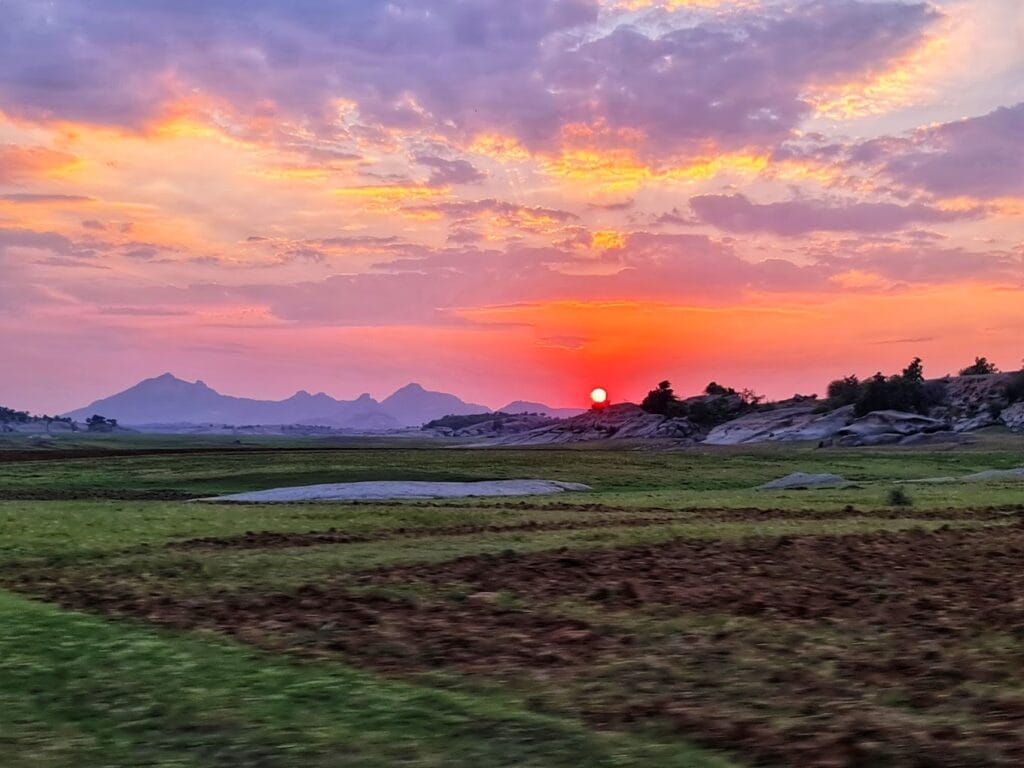
A breathtaking hilltop point famous for stunning sunset views and peaceful surroundings.
A popular museum showcasing Kanha’s wildlife, biodiversity, tribal culture, and conservation history.
A special protected zone dedicated to conserving the rare and iconic Barasingha (Swamp Deer).
A beautiful waterfall hidden deep in the forest — perfect for nature lovers and explorers.
Known for picturesque landscapes, meadows, and excellent wildlife spotting opportunities.
A calm and peaceful viewpoint famous for golden sunset views on the Mukki side of Kanha.
Group Tour
Kanha National Park offers an excellent student group tour experience where young learners can explore wildlife, forest ecology, and natural habitats. This educational trip helps students understand biodiversity, wildlife conservation, and natural beauty closely.
Guided naturalists provide deep knowledge about animals, birds, flora & fauna. Students enjoy jeep safari, nature walk, bird watching, and wildlife photography sessions.
Group Tour
Kanha National Park is a perfect destination for corporate outings, team building activities, and refreshing nature experiences. The peaceful jungle environment helps teams relax, bond, and boost productivity.
The corporate group tour includes jungle safaris, adventure activities, resort stay, bonfire evenings, and personalized corporate events in a soothing natural setting.
Morning: 06:00 – 11:00 AM | Afternoon: 03:00 – 06:00 PM
Morning: 06:15 – 11:00 AM | Afternoon: 03:00 – 05:45 PM
Morning: 06:30 – 11:00 AM | Afternoon: 03:00 – 05:30 PM
Morning: 06:45 – 11:00 AM | Afternoon: 03:00 – 05:45 PM
Morning: 06:30 – 11:00 AM | Afternoon: 03:00 – 06:15 PM
Morning: 06:15 – 11:00 AM | Afternoon: 03:00 – 06:30 PM
Morning: 05:45 – 11:00 AM | Afternoon: 04:00 – 06:45 PM
Morning: 05:30 – 11:00 AM | Afternoon: 04:00 – 07:00 PM
Indian: ₹10,500
Foreigners: ₹15,000
Indian: ₹11,500
Foreigners: ₹16,000
Indian: ₹8,500
Foreigners: ₹9,500
Indian: ₹9,500
Foreigners: ₹10,500
Indian: ₹15,000
Foreigners: ₹20,000
Indian: ₹1,10,000
Foreigners: ₹1,30,000
| Zone | Shift | Full Vehicle Gate | Sharing Gate |
|---|---|---|---|
| Kanha | Morning | Khatiya / Mukki / Sarhi | Khatiya |
| Kanha | Evening | Khatiya / Sarhi | Khatiya |
| Kisli | Morning | Khatiya / Mukki / Sarhi | Khatiya |
| Kisli | Evening | Khatiya / Mukki | Khatiya |
| Mukki | Morning | Khatiya / Mukki | Mukki |
| Mukki | Evening | Khatiya / Mukki | Mukki |
| Sarhi | Morning | Khatiya / Sarhi | Sarhi |
| Sarhi | Evening | Khatiya / Sarhi | Sarhi |
| Zone | Shift | Entry Gate |
|---|---|---|
| Khatiya | Morning | Khatiya |
| Khatiya | Evening | Khatiya |
| Khapa | Morning | Mukki |
| Khapa | Evening | Mukki |
| Sijora | Morning | Sarhi |
| Sijora | Evening | Sarhi |
| Phen | Morning | Sarhi |
| Phen | Evening | Barrier / Mukki |
300 KM / 6–7 Hours
160 KM / 4 Hours
250 KM / 5 Hours
250 KM / 5 Hours
270 KM / 5–6 Hours
200 KM / 4 Hours
Packages
Capture the beauty of Kanha’s landscapes, tigers, and wildlife with guided photography sessions.
Explore India’s top tiger reserves and capture breathtaking shots of wildlife in action.
Ideal for wildlife lovers looking to explore the dense forests of Pench and Kanha.
Explore Wild India, NH 26, Gate, near Mukki, Manjitola, Madhya Pradesh 481111
Info@explorewildindia.com
+91-9079011438
© 2025 Explore Wild India
.
All Rights Reserved.
Developed By
Technocracy Softwares Pvt.Ltd.